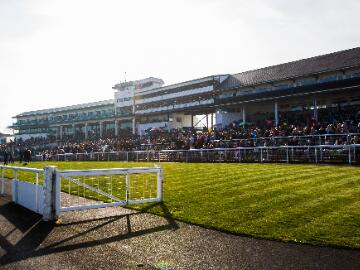
The summer of 1926 marked the start of a remarkable journey for Chepstow Racecourse. After several years of planning and construction in the picturesque surroundings of Piercefield Park, the racecourse officially opened its gates on 7 August 1926, bringing top-class racing to South Wales for the first time.
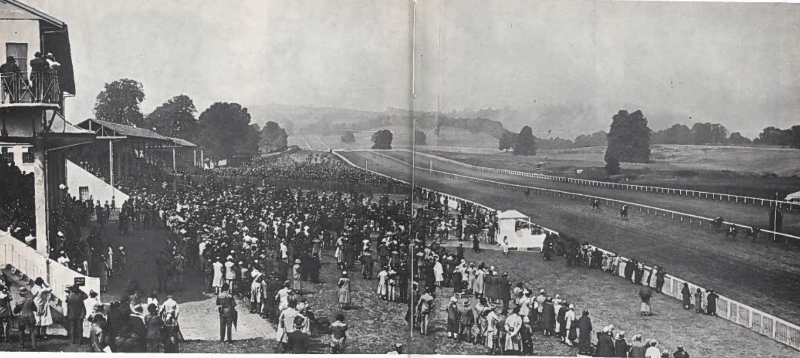
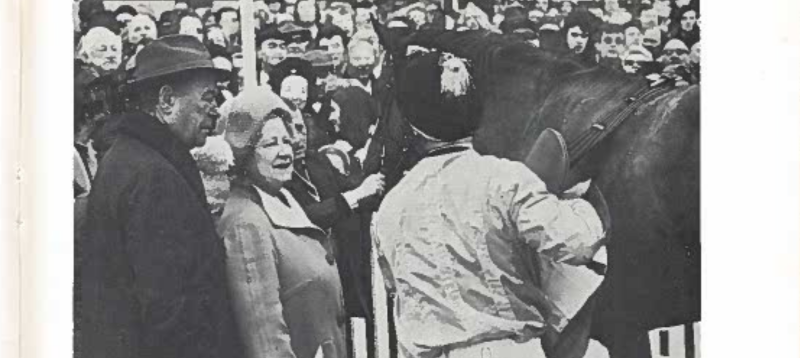
By 1976, Chepstow Racecourse was celebrating 50 years since its first meeting in 1926. Over that time it had become firmly established as one of Wales’ leading racecourses, hosting both Flat and National Hunt racing throughout the year.
The course had already built a strong reputation for major staying contests, and by the post-war years it had become the home of Welsh jump racing, following the introduction of the Welsh National in 1949.
In its first half-century, Chepstow had also played a significant role in British racing history, including memorable performances from top jockeys such as Sir Gordon Richards, who famously rode eleven consecutive winners at the course in 1933.
Despite early financial challenges after opening, by the 1970s Chepstow had secured its place on the national racing calendar and was firmly established as a key sporting venue in Wales. text.
Since its 50th anniversary in 1976, Chepstow Racecourse has continued to grow in stature as Wales’ leading racecourse and a key fixture in the British racing calendar.
Over the following decades, the venue has undergone significant investment and modernisation, improving facilities for racegoers, owners, trainers, and jockeys while retaining its historic setting at Piercefield Park.
Chepstow has remained the traditional home of Welsh jump racing, hosting the prestigious Coral Welsh Grand National, one of the most important staying handicap chases in the UK National Hunt calendar, now staged in the festive period each December.
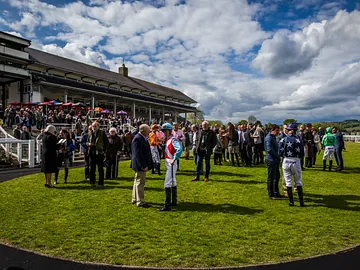
The racecourse has also expanded its Flat racing programme and become a popular summer and autumn destination, hosting major racedays, festivals, and family events alongside its core racing schedule.
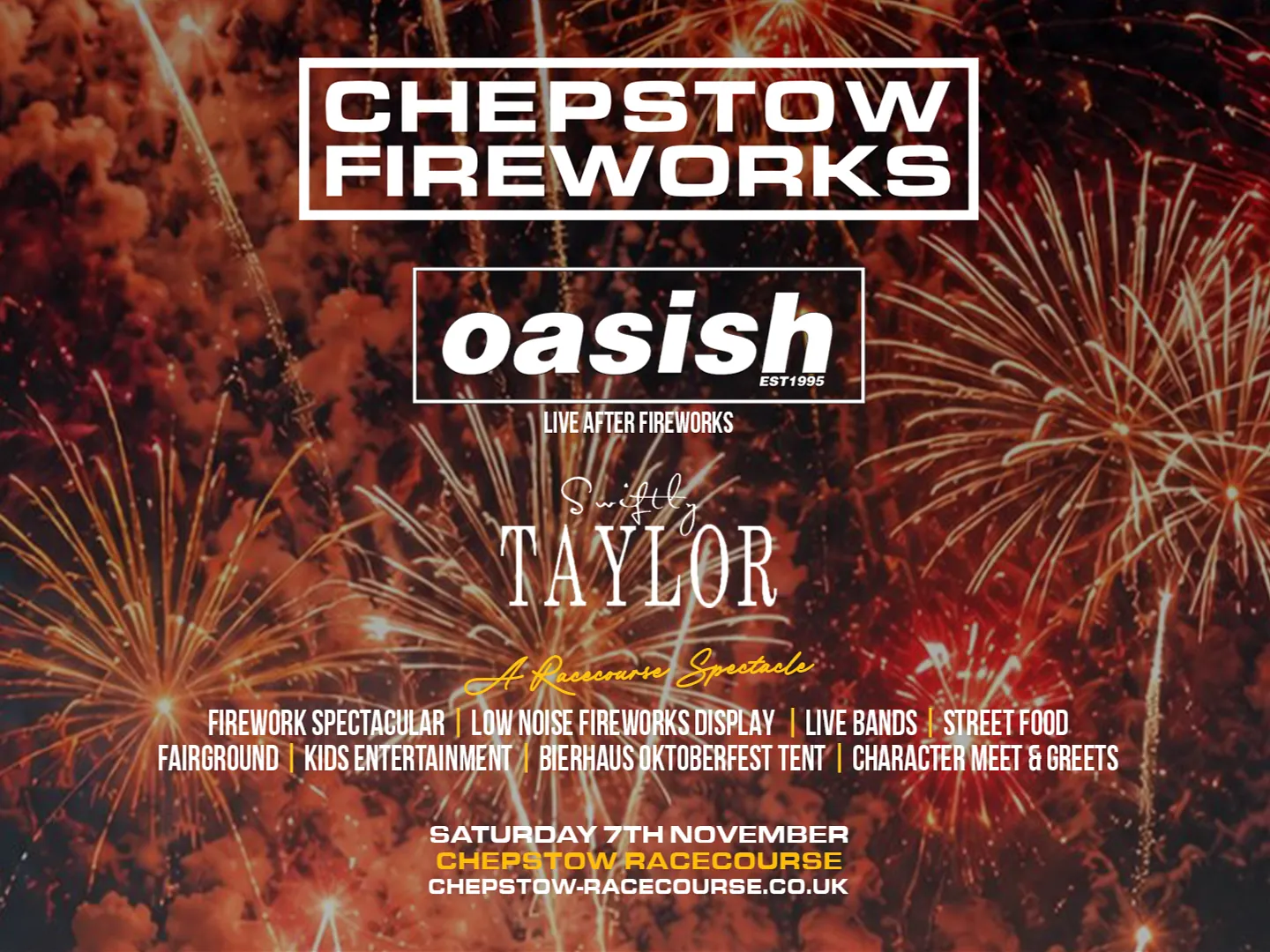
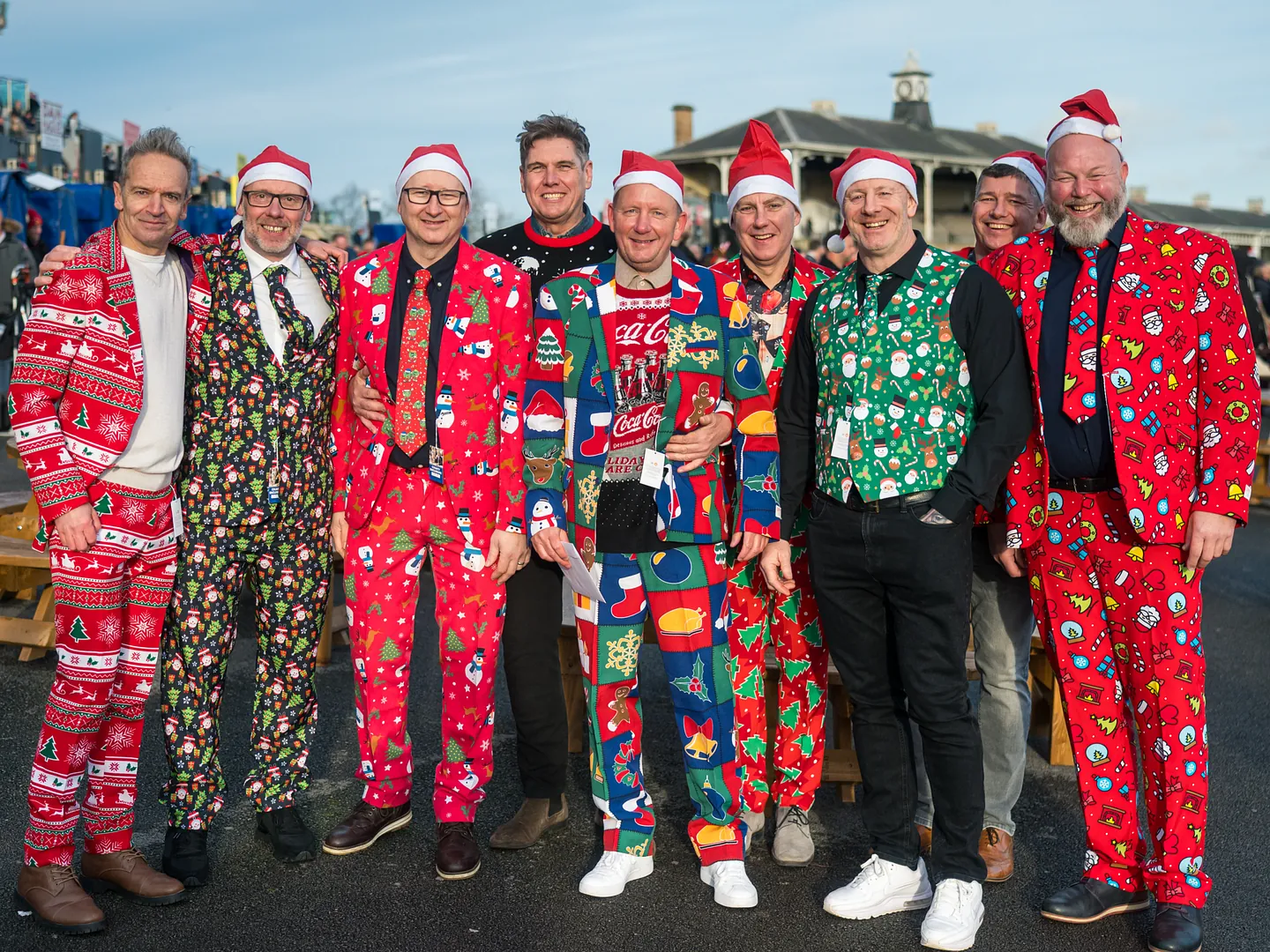
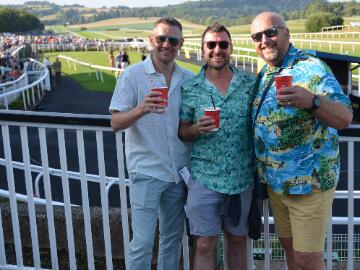
In more recent years, Chepstow has continued to evolve as an entertainment venue as well as a sporting one, welcoming large crowds for racing, live music events, and seasonal festivals, securing its position as one of Wales’ most versatile and well-supported racecourses.
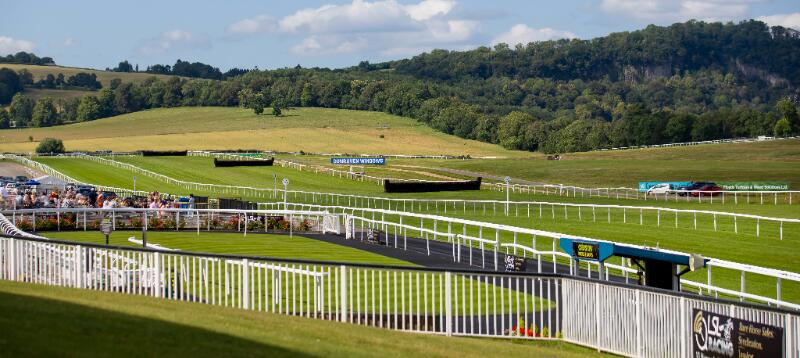
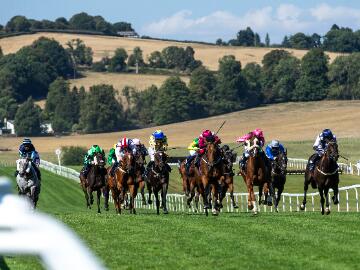
Experience the thrill of live horse racing with a full programme of races showcasing talented jockeys, leading trainers and stunning racehorses competing for victory.
Join us as we celebrate a century of racing at Chepstow Racecourse, marking 100 years of thrilling sporting action, unforgettable moments and a proud place at the heart of Welsh racing.
Refuel throughout the day with a range of food outlets and bars open around the racecourse, ensuring there's something for everyone.
Enjoy live entertainment throughout the day from the fantastic Dean Jones, bringing the music of Welsh legend Sir Tom Jones to life with all the classic hits.
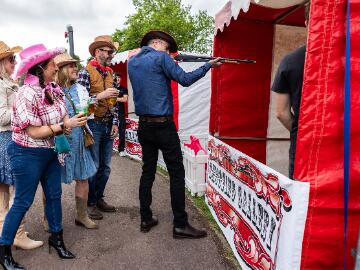
Browse a variety of traditional fête stalls throughout the day, offering games, crafts, gifts and local treats.
Step back in time and discover the rich history of Chepstow Racecourse at our dedicated heritage display. Showcasing photographs, memorabilia and treasured archives from the past 100 years.